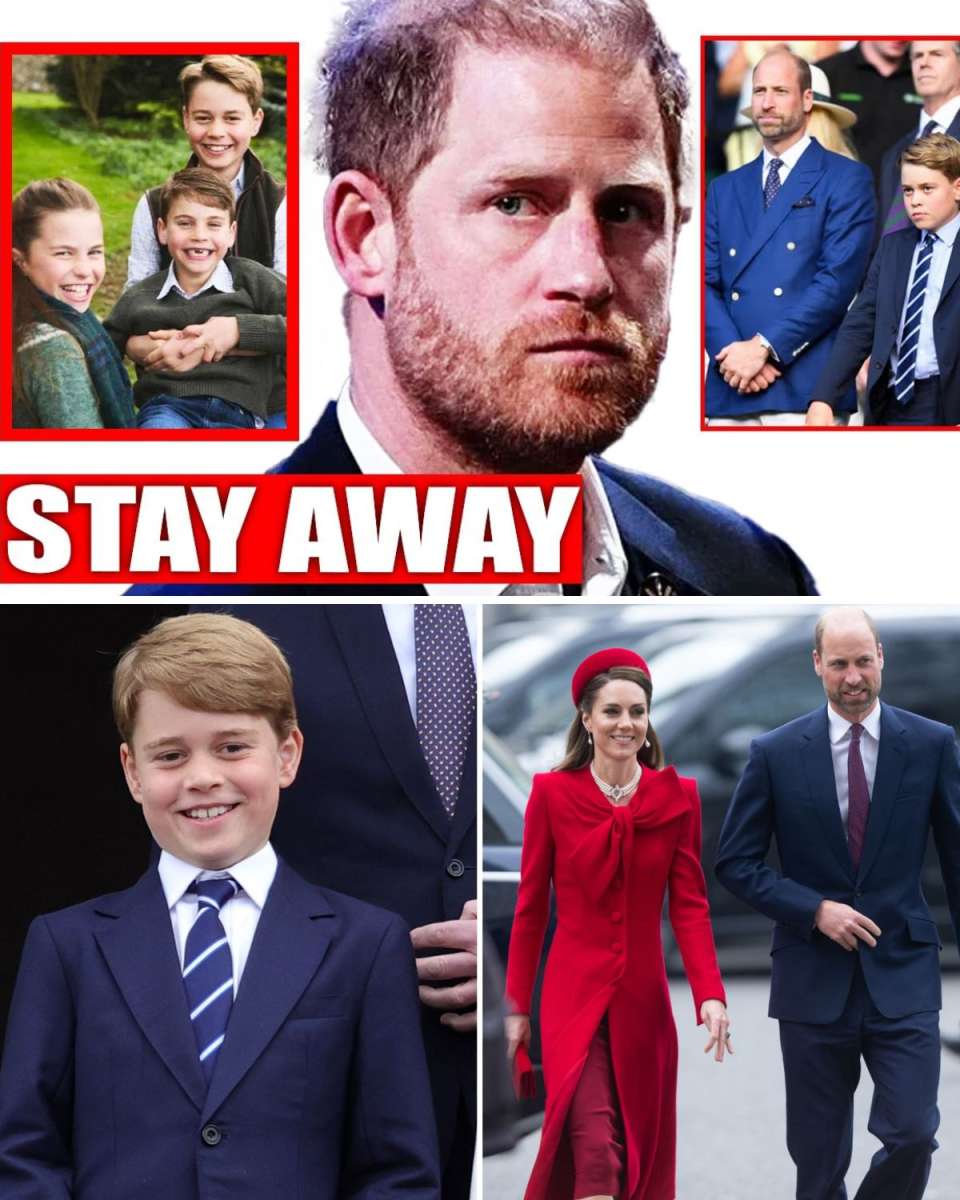
Prince Harry is mounting a determined bid to revive his armed security in the UK, challenging the terms set by his 2020 exit from royal duties. This high-stakes move, sparked by a new risk assessment, could signal a dramatic shift toward increased royal engagement—and potentially alter the fractured dynamics within the monarchy.
After years of legal battles and public disputes, Prince Harry has secured the convening of a Risk and Benefit (R&B) assessment board to reevaluate his security needs on British soil. This comes despite previous court rulings denying his claims, signaling a surprising reinvigoration of his quest for official protection during UK visits.
The assessment, expected to conclude next month, could pave the way for Harry’s armed police protection to be reinstated. Such a development would undermine the existing “Mexit” arrangements that stripped him of official protections when he stepped back from royal duties and relocated to the United States.
Legal experts and royal commentators underscore the unprecedented nature of this new review. After losing successive lawsuits, Harry’s persistence, fueled by claims of feeling unsafe without protection, points to a strategic campaign to renegotiate the terms of his royal disengagement quietly but effectively.
This renewed focus on Harry’s security also raises immediate questions about the potential for him to spend more extended periods in the UK, including official royal engagements. The possibility threatens to inflame longstanding tensions within the royal family, particularly with his brother, Prince William, who reportedly opposes increased proximity.
Public sentiment complicates matters further. Widespread opposition exists against taxpayer-funded security for Harry, who relinquished his royal status. A recent survey revealed over 90% of respondents reject public financing for his protection, presenting a fierce political and public relations challenge for any government approval.
Speculation mounts around the involvement of key political figures. Both the current and former Home Secretaries, who previously expressed solidarity with Meghan Markle, are signatories to a letter supporting her. Their perceived sympathy could influence how the security reassessment unfolds amid shifting political landscapes.
Prince Harry’s relationship with the monarchy appears to be cautiously thawing, marked by his recent private meeting with King Charles. This developing rapport could signal a strategic reconciliation, with security arrangements possibly serving as a prelude to increased royal participation and a UK-based presence.
Yet, the broader implications extend beyond Harry’s personal security. If armed protection is reinstated, questions arise whether Meghan Markle and their children would be included, a contentious point due to her fraught public reception in Britain and the associated risks highlighted by royal commentators.
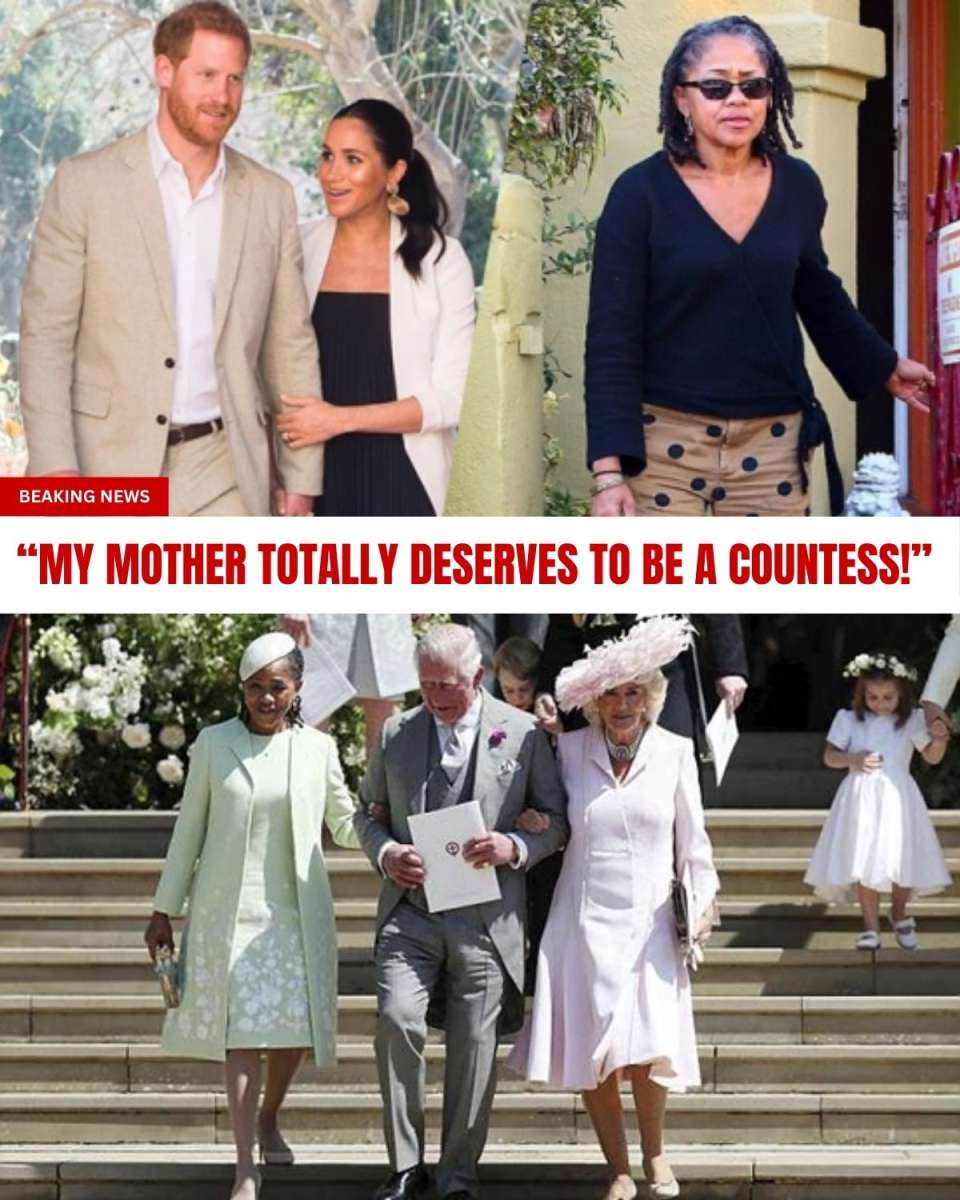
Complicating the family dynamics is the publicized health crisis involving Meghan’s father, Thomas Markle, currently in intensive care after leg amputation surgery. Meghan’s reportedly complicated relationship with her father highlights ongoing private struggles unfolding under intense media scrutiny.
The royal family simultaneously prepares for a private christening of Princess Beatrice’s daughter, Athena, with markedly limited attendance from senior royals. The apparent boycott by King Charles, Prince William, and Kate Middleton underscores continuing fractures and sensitivities surrounding recent scandals and family divisions.
Meanwhile, in a lighter vein amid palace tensions, Queen Consort Camilla was spotted enjoying the set of “Rivals,” a racy television 𝒹𝓇𝒶𝓂𝒶 based on Jilly Cooper’s novels. This public appearance reveals a rare moment of levity and support for British arts within the royal circles.
As the next steps in this evolving royal saga unfold, all eyes remain fixed on the forthcoming R&B security assessment results. The outcome could redefine Prince Harry’s role in the monarchy, reshape public discourse, and reignite debates about royal privileges and modernity in the UK’s constitutional framework.
This breaking development crystallizes the complex interplay of family loyalty, public perception, and political influence shaping one of the monarchy’s most contentious chapters. Immediate anticipation builds as stakeholders await crucial decisions that might rewrite the terms of a historic royal departure.