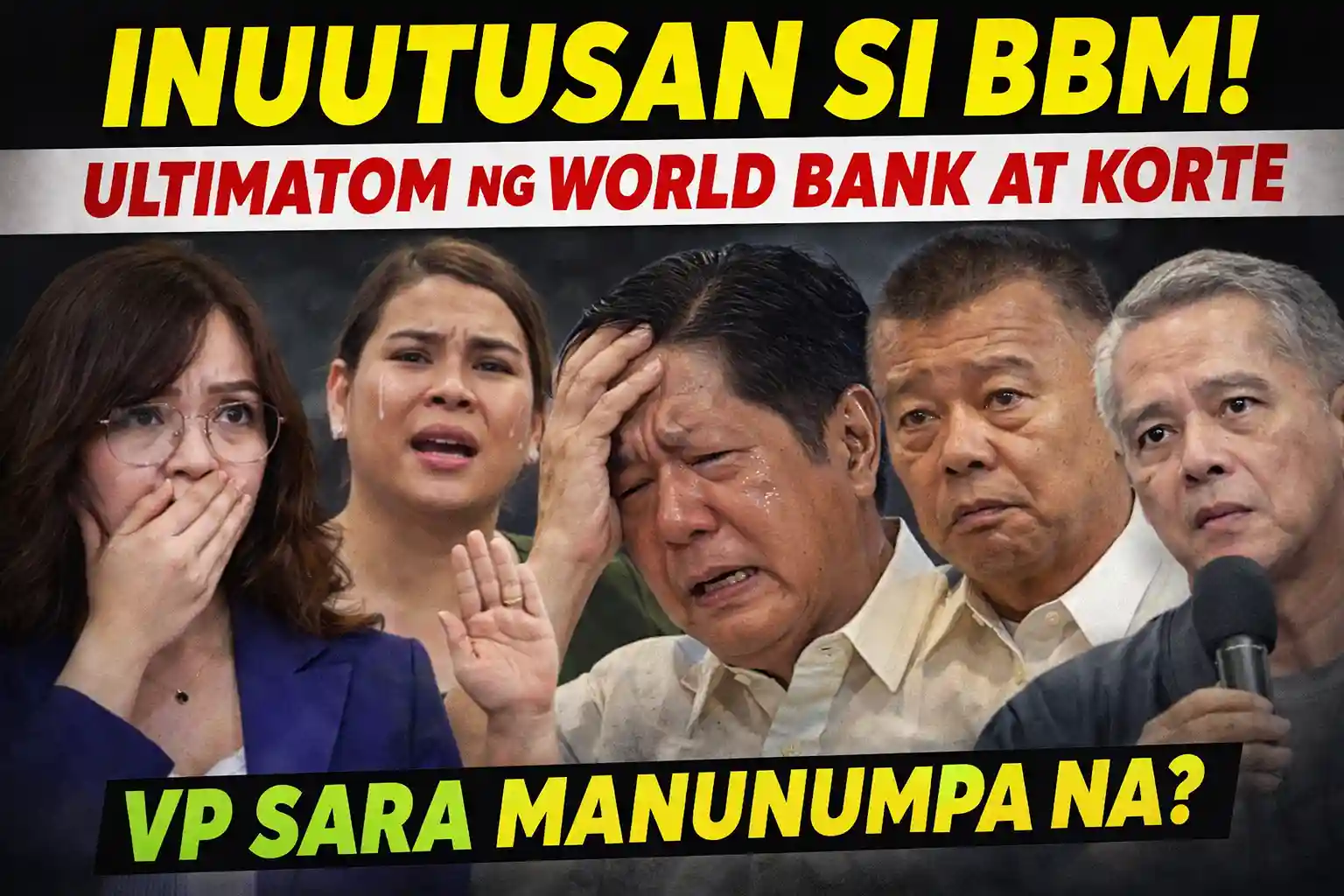
MANILA, Philippines — Public discourse in the Philippines has recently been stirred by a surge of online claims involving President Ferdinand “Bongbong” Marcos Jr., prompting officials at Malacañang Palace to publicly respond and reassure the Filipino public. The controversy underscores how digital information — and misinformation — can rapidly shape public perception and political debate in the country’s highly connected society.
Social platforms such as Facebook, X (formerly Twitter), and TikTok have become battlegrounds for competing narratives involving the President, with some posts and messages painting unfavorable pictures of his leadership and actions. In response, the Palace has taken steps to address these claims, characterize them as misleading, and urge citizens to verify information before accepting it as fact.
Palace Statement: Clarifying and Countering Online Claims
Palace press officials have repeatedly stressed that many of the circulating allegations lack credible evidence and should not be treated as verified news. During recent press briefings, Malacañang spokespeople emphasized that several viral posts about the President’s health, conduct, or involvement in controversial incidents are inaccurate or taken out of context.
In one notable instance, undersecretaries pointed out that reports claiming the President was undergoing surgery or facing serious health problems were untrue and “fake news.” They reiterated that the President was publicly engaged in official duties at the time such rumors spread.
Another Palace response highlighted unverified social media posts suggesting corrupt behavior or financial impropriety. Officials dismissed these as baseless and politically motivated claims meant to stir public distrust rather than convey verified facts.
The Palace has also signalled its intent to study how existing laws — including cybercrime and misinformation statutes — might be applied to deter deliberate disinformation campaigns. Civil liberties concerns, however, have emerged amid these discussions, as critics argue that overly broad enforcement could affect free expression online.
Spread and Impact of Digital Rumors
The Philippines ranks among the world’s most active users of social media, with millions of Filipinos regularly consuming and sharing content across multiple platforms. This environment accelerates the spread of unverified or misleading posts. Research and fact-checking organizations have previously documented how digital misinformation can influence public opinion on political figures, elections, and national discourse.
Some of the viral content that has circulated includes manipulated images, videos, and text messages attributed to President Marcos Jr. and his administration. Fact-checkers and online researchers have urged platform users to exercise caution and consult official sources or established news outlets before taking such content at face value. The potential for “deepfake” media and fabricated posts further complicates public understanding.
Political analysts note that this isn’t an isolated phenomenon in the Philippines; digital misinformation has been a recurring challenge for previous administrations and political figures. Its effects can range from temporary reputational harm to longer-term impacts on democratic processes and trust in institutions.
Government and Civic Responses
In addition to Palace statements, some government agencies and advocacy groups are calling for greater digital literacy among citizens to help discern factual content from misleading information. These efforts aim to educate the public on critical thinking when navigating online platforms — particularly ahead of future elections and major national events.
Civil society organizations have also suggested collaborations with technology companies to monitor and flag harmful content more effectively. These proposed measures focus on transparency, user rights, and responsible content moderation without suppressing legitimate public discourse.
What This Means for Public Trust
The ongoing situation highlights a broader challenge facing the Philippines and many nations: the tension between rapid information flow and the need for accuracy and accountability. As public opinion becomes increasingly influenced by online narratives, leaders and citizens alike are navigating how to balance freedom of expression with responsible sharing.
Experts suggest that improving digital literacy — combined with clear and transparent communication from public institutions — may help mitigate the disruptive effects of misinformation. Public trust ultimately depends on access to reliable information and the willingness of individuals to engage critically with what they see online.
Frequently Asked Questions (FAQs)
1. Why did the Palace respond to online claims?
Palace officials responded because viral posts and messages circulating on social media spread unverified or false information about the President, which may affect public confidence and social cohesion.
2. Are the online claims true?
Officials have characterized many of the viral claims as unverified or false. Fact-checking organizations encourage users to seek information from established news outlets and official statements before believing digital content.
3. How widespread is misinformation in the Philippines?
Misinformation has been a recurring challenge in the Philippines, especially on social media platforms where content can spread quickly. Advocacy groups emphasize the importance of digital literacy to counter this trend.
4. What is being done to address misinformation?
Government agencies, civil society groups, and tech platforms are exploring tools and educational campaigns to improve how users identify and respond to misleading content online.