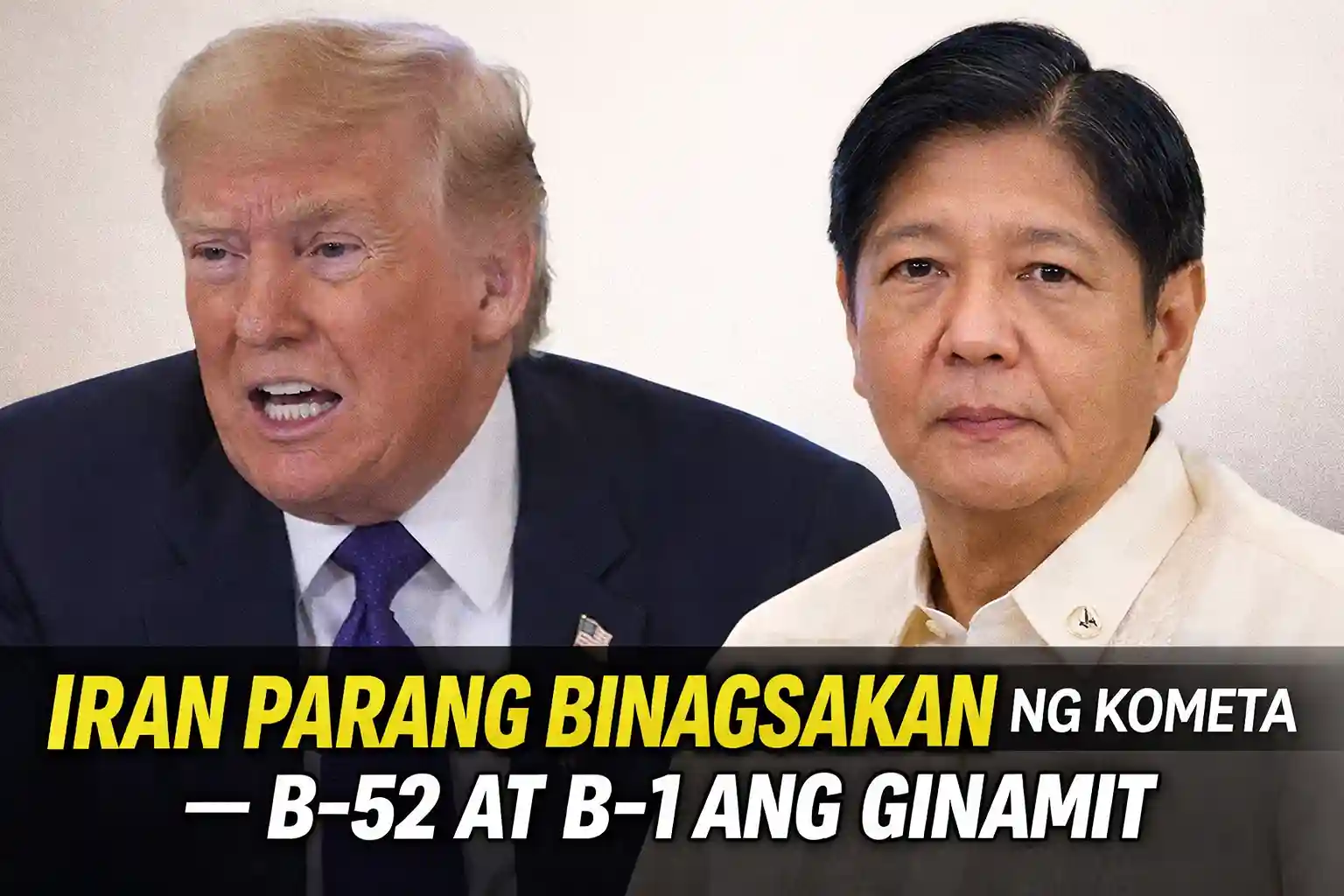
The global spotlight has once again turned toward the Middle East following reports that the United States has deployed strategic bombers closer to Iran. The move, involving long-range aircraft capable of traveling vast distances and carrying heavy payloads, has intensified discussions among world leaders, defense experts, and international observers.
Although military deployments are not uncommon in regions experiencing geopolitical tension, the presence of these powerful bombers has sparked renewed concern about the possibility of escalating conflict. Many analysts believe the move is intended as a strong signal of deterrence, while others warn it could deepen the already fragile situation in the region.
This development comes at a time when diplomatic relations between Washington and Tehran remain strained, with several ongoing disputes related to security, regional influence, and military presence across the Middle East.
Strategic Bombers Enter the Spotlight
Strategic bombers such as the B-52 and B-1 have long been considered among the most powerful assets in the United States’ military arsenal. These aircraft are designed for long-range missions and can operate for extended periods, often flying across continents without landing.
Their deployment near sensitive geopolitical areas often carries symbolic and strategic meaning. Military experts say that when such aircraft appear in a region experiencing heightened tensions, it usually indicates a show of force intended to reassure allies while sending a clear message to potential adversaries.
In this case, the deployment near Iran has raised numerous questions about the broader strategic objectives behind the move. Some observers suggest that it could be part of routine military readiness operations, while others believe it reflects growing concerns about regional security.
Regardless of the specific motive, the arrival of these bombers has drawn widespread attention from international media and governments around the world.
Why the Middle East Remains a Strategic Focus
The Middle East has long been one of the most geopolitically sensitive regions in the world. Its importance stems from several factors, including energy resources, global trade routes, and long-standing political rivalries among regional powers.
Iran plays a central role in many of these dynamics. As one of the most influential countries in the region, its policies and military posture often shape broader geopolitical developments.
Tensions between Iran and the United States have persisted for decades, influenced by political disagreements, sanctions, and disputes related to nuclear programs and regional alliances.
Because of these ongoing issues, any military movement involving either country is closely monitored by the international community.
A Message of Deterrence or a Sign of Escalation?
Defense analysts have offered different interpretations of the bomber deployment. One perspective is that the move represents a form of deterrence—a strategic message meant to prevent potential conflicts rather than provoke them.
By demonstrating military capability, a country can signal its readiness to respond to threats while encouraging adversaries to reconsider aggressive actions.
However, others argue that visible displays of military power can sometimes increase tension instead of reducing it. When opposing sides perceive such actions as provocative, the risk of misunderstanding or miscalculation may grow.
This delicate balance between deterrence and escalation has long shaped military strategies in sensitive regions.
Global Reactions and Diplomatic Concerns
The news of the bomber deployment quickly captured global attention. Governments across Europe, Asia, and the Middle East have been closely monitoring the situation, with many calling for calm and diplomatic engagement.
International organizations and diplomatic observers stress the importance of maintaining open communication channels between nations to avoid unnecessary escalation.
In recent years, the international community has emphasized diplomacy as the primary path toward resolving disputes in the Middle East. Negotiations, agreements, and multilateral discussions have often been used to address concerns surrounding security and stability.
As a result, any military development in the region tends to trigger discussions about the need to reinforce diplomatic efforts.
The Role of Military Signaling
Military signaling is a well-known concept in international relations. It involves the use of visible military actions—such as deployments, exercises, or patrols—to convey strategic intentions without direct confrontation.
The presence of advanced aircraft like the B-52 or B-1 can serve multiple purposes. It may reassure allies that support remains strong, demonstrate preparedness to potential rivals, and communicate resolve during uncertain situations.
Such actions often occur alongside diplomatic discussions rather than replacing them. Governments may combine military readiness with ongoing negotiations to strengthen their bargaining position.
However, the effectiveness of military signaling depends largely on how other nations interpret the message.
Potential Implications for Regional Stability
While a single deployment does not necessarily indicate an immediate conflict, it can influence the broader security environment.
Regional allies of the United States may view the move as a sign of continued support and protection. Meanwhile, Iran and its partners may interpret the development differently, potentially adjusting their own strategies in response.
Experts note that even symbolic military actions can shape perceptions and strategic calculations. In complex regions like the Middle East, these perceptions can affect diplomatic negotiations, security planning, and public opinion.
This is why many analysts emphasize the importance of careful communication and transparency whenever major military activities occur.
The Importance of Accurate Information
In times of heightened geopolitical tension, accurate and verified information becomes especially important. Reports circulating online can sometimes include speculation or unconfirmed claims, which may contribute to confusion or unnecessary alarm.
Responsible journalism and official statements from governments help clarify developments and provide context for the public.
For readers around the world, understanding the broader geopolitical landscape is essential for interpreting news about military deployments. While headlines may highlight dramatic developments, the underlying strategic and diplomatic factors often tell a more complex story.
Looking Ahead
As the situation continues to evolve, global attention remains focused on how both the United States and Iran will navigate the current moment.
Diplomatic engagement, international cooperation, and responsible communication will likely play key roles in determining whether tensions ease or intensify.
History has shown that moments of heightened tension do not always lead to conflict. In many cases, they prompt renewed diplomatic efforts aimed at preventing escalation and preserving regional stability.
For now, the presence of US strategic bombers near Iran serves as a reminder of the delicate balance that defines international relations in the Middle East.
The coming weeks may reveal whether this development remains a symbolic show of force or becomes part of a broader shift in regional dynamics.
Frequently Asked Questions (FAQs)
What are US strategic bombers like the B-52 and B-1?
These aircraft are long-range bombers designed for strategic missions. They can travel great distances and carry significant payloads, making them important assets in military operations.
Why were US bombers reportedly deployed near Iran?
Military analysts believe the deployment may be intended to demonstrate deterrence, reassure regional allies, and maintain readiness in a strategically sensitive area.
Does this deployment mean a conflict is imminent?
Not necessarily. Military deployments often serve as strategic signals and do not automatically indicate that a conflict will occur.
Why does the Middle East receive so much global attention?
The region plays a critical role in global energy supply, trade routes, and international security, which makes developments there significant for many countries worldwide.
How do nations usually prevent escalation during tense situations?
Diplomatic dialogue, international cooperation, and communication between governments are key methods used to manage tensions and avoid misunderstandings.