Hang laundry out the Japanese way to avoid ironing: save a lot of money.
Did you know there’s a clever Japanese method that lets you skip ironing altogether? It’s a simple, effective routine that not only saves you time and effort but also helps you cut down significantly on your electricity bill. Originating in Japan, this method is becoming increasingly popular worldwide for one simple reason — it works. Let’s explore how this smart approach can help you keep your clothes smooth and fresh without ever plugging in an iron again.
Why Ironing Costs More Than You Think
For many households, ironing is one of the most tedious and time-consuming chores. But beyond being a hassle, it’s also surprisingly expensive. The average steam iron consumes between 2,000 and 2,600 watts of power. Depending on your electricity rate, ironing can cost anywhere between €0.50 to €0.65 per hour, and even more if your energy tariff is high or if you iron during peak hours.
In an age when electricity prices continue to rise, cutting back on high-consumption appliances like irons makes a big difference. Eliminating or even reducing ironing sessions can lead to noticeable savings on your monthly bills. The question is — how can you achieve neat, wrinkle-free clothes without using an iron?
That’s where the Japanese method comes in.
The Japanese Way to Skip the Iron
Japanese households are known for their practical, minimalist, and efficient approaches to everyday living. When it comes to laundry, they’ve perfected a simple method that keeps clothes smooth and presentable without the need for ironing. The idea is to work with the fabric while it’s still damp — not after it’s dried stiff and wrinkled.
Here’s how the Japanese method works, step by step:
-
Shake your clothes well after washing.
Once the washing cycle is complete, take each garment out of the machine and give it a few firm shakes. This helps loosen any folds or creases that may have formed during the spin cycle. -
Hang clothes immediately — but not on a line.
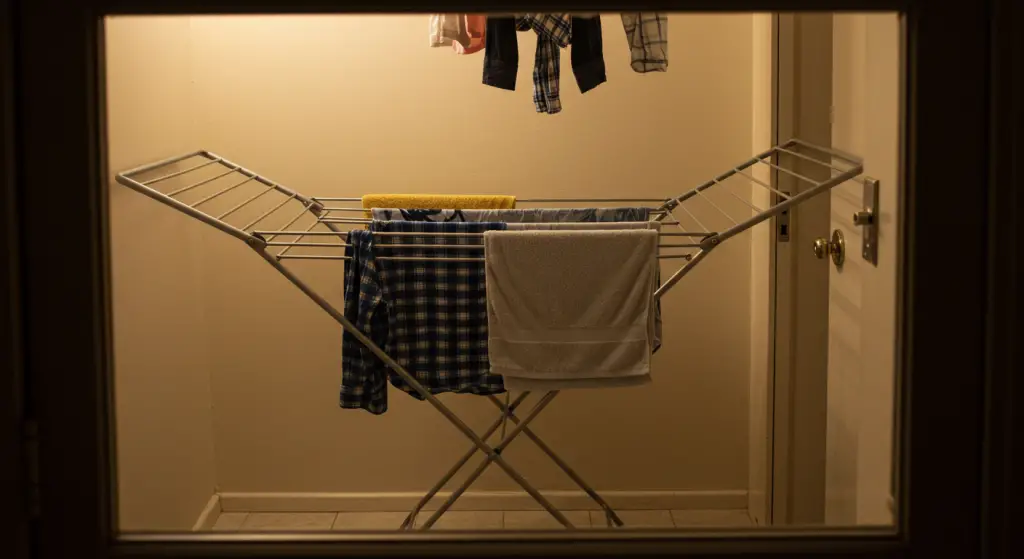
Instead of draping your clothes over a wire or rack, hang each piece directly on a hanger (preferably a wide one that fits the garment’s shoulders). This allows the fabric to fall naturally and smooth itself out as it dries. -
Adjust and shape while damp.
Smooth the sleeves, flatten collars, and gently stretch any wrinkled sections with your hands. Fabrics tend to hold the shape they dry in, so taking a few moments to arrange them properly while damp makes a big difference. -
Air-dry in a well-ventilated space.
Leave the clothes to dry completely on the hangers. When you take them down, they’ll already look tidy and crease-free — as if you had ironed them.
This method is particularly effective for shirts, blouses, dresses, and light fabrics like cotton or polyester blends. Heavy materials such as denim or linen might still need a light press for a crisp finish, but most everyday garments will look perfectly smooth without any extra effort.
The Basket Trick: Another Way to Avoid Ironing
If you prefer folding your clothes rather than hanging them, there’s another Japanese-inspired technique you can try — the basket method. It’s just as easy and surprisingly effective.
Here’s how to do it:
-
Wait until your laundry is completely dry.
Don’t fold clothes that are still damp, as this can cause musty odors or mildew. -
Lay garments flat on a surface.
Use a clean table, bed, or counter. Smooth each piece with your hands as though you were ironing it. -
Fold neatly, pressing lightly with your palms.
Follow the natural lines of the fabric and avoid sharp folds that can leave creases. -
Stack clothes in a basket.
Place the folded garments on top of each other. The weight from the stack will naturally press the layers below, helping smooth out minor wrinkles.
Leave the stack in the basket for a few hours or overnight. When you pull the clothes out later, they’ll appear freshly pressed — all without using a single watt of electricity.
The Benefits Go Beyond Saving Energy
Adopting the Japanese method is not just about saving money, although that’s certainly one of the biggest advantages. Here are several other benefits:
-
Less fabric damage. Irons can wear down fibers, especially delicate materials. By avoiding heat, you extend the life of your clothes.
-
Time efficiency. No more setting up the ironing board or waiting for the iron to heat up. The method fits naturally into your laundry routine.
-
Eco-friendly living. Using less electricity means reducing your household’s carbon footprint.
-
More space. You can say goodbye to bulky ironing boards and steam stations cluttering your laundry area.
Essentially, this approach aligns with Japan’s broader philosophy of “mottainai” — avoiding waste and finding beauty in simplicity.
Additional Tips for Wrinkle-Free Clothes
To get the best results with the Japanese method, a few small habits can make a big difference:
-
Don’t overload the washing machine. Overcrowded loads twist and wrinkle fabrics more easily.
-
Use a lower spin cycle. A slower spin keeps clothes from creasing too much.
-
Add fabric softener or a splash of white vinegar. Both can help fibers relax, making them easier to smooth out by hand.
-
Dry clothes in a breezy area. Good airflow helps them dry evenly and prevents stiff spots.
Final Thoughts
Ironing may seem like an unavoidable part of doing laundry, but with this clever Japanese approach, it doesn’t have to be. By taking advantage of the way fabrics behave when damp, and using hangers or a simple basket, you can achieve smooth, fresh-looking clothes every time — no iron, no effort, and no soaring energy costs.
So next time you finish your laundry, skip the iron. Try the Japanese method instead — and enjoy wrinkle-free clothes, extra time in your day, and a smaller electricity bill at the end of the month.