If you combine these two ingredients once, you’ll never stop: you’ll save a lot of money.
Imagine being able to make your own eco-friendly detergent at home — gentle on your skin, safe for the environment, and incredibly cheap. With just two simple ingredients, you can prepare a natural, multipurpose soap that replaces several commercial cleaning products. Once you try it, you’ll want to make it part of your daily routine.
Why Homemade Cleaning Products Are Making a Comeback
In recent years, the cost of everyday products — including household detergents — has risen dramatically. From laundry powders to dishwashing liquids, prices continue to climb, forcing many households to look for affordable and sustainable alternatives. Moreover, many commercial cleaning agents contain harsh chemicals, phosphates, preservatives, and synthetic fragrances that can irritate the skin and harm the environment.
Making your own cleaning soap not only saves money but also helps reduce plastic waste and chemical exposure in your home. This simple recipe requires only two ingredients that you can find in almost any store — and together, they create a natural cleaner suitable for multiple household uses.
The Two Ingredients You’ll Need
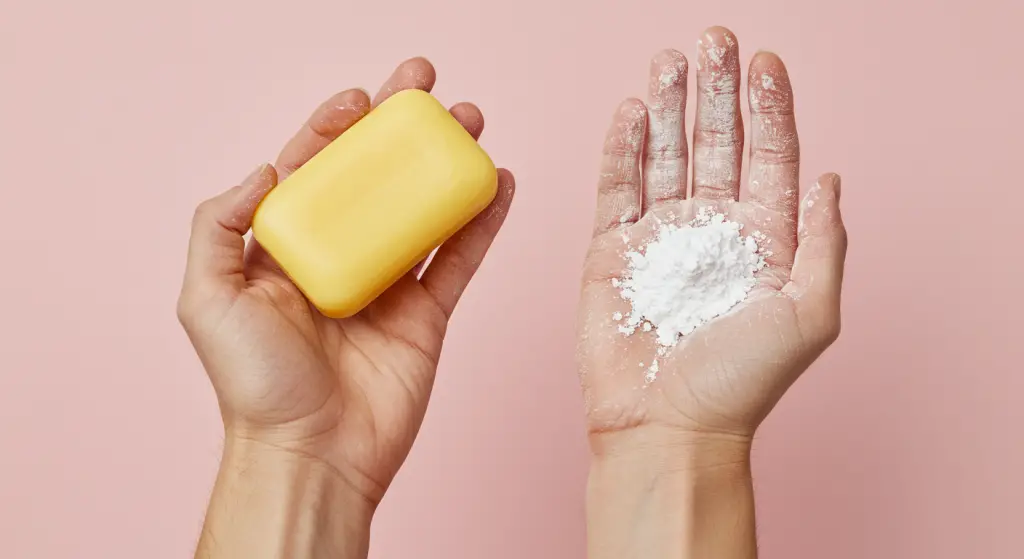
The first ingredient is a bar of yellow soap, known in Italy as sapone Alga. It’s a traditional, soft soap made primarily from glycerin and coconut oil. Sold in large, yellow blocks, it’s completely biodegradable, gentle on fabrics, and safe for sensitive skin. It’s traditionally used for hand-washing laundry, but with a little creativity, it can become the foundation for an all-purpose cleaner.
The second ingredient is talcum powder (baby powder). Its main purpose here is to prevent the soap balls from sticking together and to keep them dry when stored. The combination of these two ingredients forms the basis of a multipurpose cleaning solution that’s effective, eco-friendly, and pleasant to use.
How to Make Your Natural Soap Balls
The preparation process is simple and requires no special tools or skills:
- Cut the soap: Using a knife, slice the yellow soap into small cubes. It’s soft enough to cut easily, so you don’t need to apply much force.
- Shape the soap: Take each small cube and roll it gently between your hands to form a ball. The size is up to you — smaller balls for light cleaning tasks and larger ones for laundry or more intensive cleaning.
- Dust with talcum powder: Place the finished soap balls in a plastic or glass container and sprinkle them with talcum powder. Shake gently to coat each ball. This will prevent them from sticking together and make them easy to handle.
And that’s it — your natural, two-ingredient soap balls are ready to use! Store them in a cool, dry place, away from moisture.
How to Use Your Soap Balls Around the House
These simple soap balls can be used in a surprising number of ways. Here are some of the most effective and practical applications:
1. For Laundry
Instead of using commercial detergents, place one soap ball directly into the washing machine drum with your laundry. Adjust the size of the ball according to how dirty the clothes are or how big the load is. The soap will dissolve during the wash, leaving your clothes clean, soft, and lightly scented — without harsh chemicals.
You can also use a small piece of soap to pre-treat stains by rubbing it directly on the affected area before washing.
2. For the Toilet
Your homemade soap balls can also serve as a natural toilet cleaner. Take one ball, press it slightly to flatten one side, and attach it to the inner wall of the toilet bowl when it’s dry. Each time you flush, a small amount of soap will dissolve, helping to clean the surface and reduce limescale buildup.
This method keeps your toilet fresh and hygienic without the need for chemical tablets or gels. It’s safe, inexpensive, and surprisingly effective.
3. For Stainless Steel Surfaces
These soap balls work wonders on stainless steel surfaces, such as kitchen sinks and stovetops. Wet a non-abrasive sponge slightly, rub it on one of the soap balls, and clean the surface in circular motions.
The glycerin and coconut oil help dissolve grease and grime without scratching or dulling the steel. Once the surface is clean, rinse with water and dry with a microfiber cloth. The result is a shiny, streak-free finish that looks brand new.
4. For Wooden Cutting Boards
Because this soap is made from natural, non-toxic ingredients, it’s perfect for cleaning wooden cutting boards. Traditional cleaners can leave chemical residues that seep into the porous wood, but this natural soap gently removes grease and odors while preserving the board’s texture. Simply rub a damp sponge or cloth on a soap ball, scrub the surface, and rinse thoroughly. Wipe dry afterward.
Additional Tips for Best Results
- Customize the scent: If you like, you can add a few drops of essential oil — such as lavender, lemon, or tea tree — while shaping the soap balls. This gives them a pleasant fragrance and adds extra antibacterial properties.
- Use gloves for shaping: Though the soap is gentle, some people prefer to wear gloves while forming the balls to avoid leaving residue on their hands.
- Keep them dry: Always store the soap balls in an airtight container or jar to protect them from humidity. Moisture can cause them to stick together or lose their firmness.
- Reuse leftovers: If a soap ball breaks apart, don’t throw it away! Collect the pieces and melt them slightly with a bit of warm water to reshape into a new ball.
Why You’ll Love This Two-Ingredient Solution
There are countless reasons to switch to this homemade soap:
- It’s cost-effective, reducing your spending on multiple cleaning products.
- It’s environmentally friendly, containing no phosphates, preservatives, or artificial fragrances.
- It’s gentle and safe, perfect for sensitive skin or allergy sufferers.
- It’s versatile, serving as a cleaner for laundry, kitchens, bathrooms, and more.
- It’s easy to make, with minimal effort and ingredients you already have at home.
By replacing several commercial products with these natural soap balls, you’ll not only save money but also take a meaningful step toward a greener lifestyle. This simple yet ingenious DIY recipe proves that sustainability doesn’t have to be complicated — sometimes, all it takes is just two ingredients.