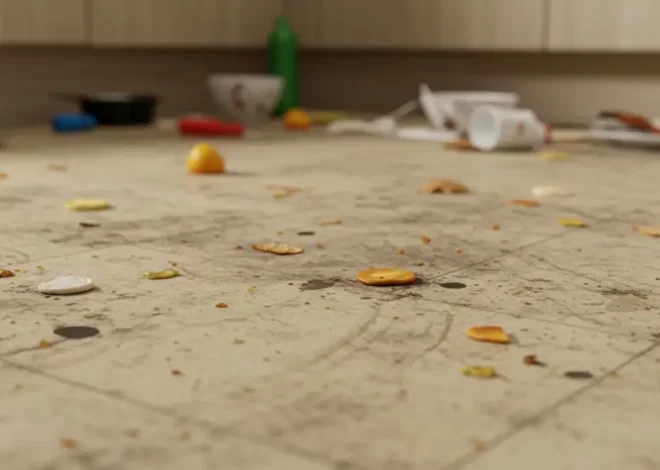
Porcelain stoneware: here’s how to clean it to make it shine again
Porcelain stoneware is one of the most elegant and durable choices for home flooring. Its smooth, polished surface can add sophistication and brightness to any room. However, over time, even the most lustrous porcelain tiles can lose their sheen and become dull or cloudy. The good news is that you don’t need to replace your floors or hire a professional cleaner. With the right products and a few easy steps, you can restore your porcelain stoneware’s original shine and keep it looking flawless.
In this article, we’ll explore why porcelain stoneware loses its shine, which products to avoid, and how to use a special treatment—polymer wax—to make your floor sparkle again.
Why Porcelain Stoneware Becomes Dull
Porcelain stoneware is made from very dense and compact porcelain materials fired at high temperatures. This process gives the tiles incredible durability, but it also makes them slightly porous on the surface. Over time, dirt, cleaning residues, and unsuitable detergents can build up in these microscopic pores, dulling the surface.
Another common cause of dullness is the use of oily or wax-based cleaning products that are not formulated for porcelain. While they might initially make the surface appear shiny, these products tend to leave behind residues that attract dust and grime, creating streaks and spots that reduce the floor’s reflective finish.
Even if you clean regularly, if the wrong detergent is used, the tiles can absorb the residue instead of shedding it, gradually creating an uneven, opaque appearance.
Avoid These Common Cleaning Mistakes
Many homeowners unknowingly damage their porcelain floors through improper cleaning habits. Here are the main things you should never do when cleaning porcelain stoneware:
-
Don’t use greasy or oil-based cleaners.
These can form a sticky layer on the surface that dulls the natural shine. -
Avoid harsh supermarket detergents.
Most contain surfactants (tensioactives) designed to break down dirt, but on porcelain, they often get trapped in the microscopic pores, making the floor even duller. -
Never use acid-based cleaners unless absolutely necessary.
Some acids can etch or degrade the polished finish, especially on glossy tiles. -
Don’t skip rinsing.
Even if your detergent claims to be residue-free, it’s best to rinse with clean water to avoid buildup.
Choosing the Right Cleaner for Porcelain Stoneware
For porcelain floors, it’s essential to use a detergent specifically formulated for porcelain or ceramic surfaces. The best products are based on inorganic salts, such as sodium or potassium compounds, which clean effectively without leaving a film or penetrating the surface.
Look for labels that specify “for porcelain stoneware” or “no-rinse neutral cleaner.” These formulations will gently lift dirt without leaving behind oily residues.
Step-by-Step: Cleaning Before Polishing
Before applying any polishing treatment, you must start with a completely clean floor. Follow these simple steps:
-
Sweep or vacuum to remove dust, grit, and larger debris.
-
Prepare your cleaning solution by mixing a bucket of warm water with one capful of your chosen porcelain-safe detergent.
-
Wash the floor using a mop or microfiber cloth. Avoid using too much water—porcelain doesn’t absorb moisture, so excessive water can leave streaks as it dries.
-
Let it dry completely.
Before moving on to the polishing phase, ensure the surface is entirely dry.
At this point, your floor should be clean but not necessarily shiny. That’s where polymer wax comes in.
The Secret to a Brilliant Finish: Polymer Wax
Polymer wax is a modern, eco-friendly solution designed to restore shine and protect porcelain stoneware floors. Unlike traditional waxes, it doesn’t make the floor slippery or greasy. Instead, it creates a thin, transparent film that enhances the reflective surface while also guarding against scratches and wear.
Here’s how to use it:
-
Prepare the solution.
Mix equal parts of water and polymer wax in a clean bucket. The dilution ensures even distribution and prevents over-application. -
Apply the mixture evenly.
Use a clean mop or microfiber applicator to spread the solution across the floor. Work in small sections, making sure to cover every area. Missing spots can result in visible differences in gloss once the surface dries. -
Let it dry naturally.
Avoid stepping on the floor until it’s completely dry. Depending on ventilation and temperature, this can take about 20 to 30 minutes.
Once dry, your porcelain floor will look dramatically different—bright, reflective, and beautifully smooth to the touch.
How Often Should You Repeat the Treatment?
The effects of polymer wax typically last between 7 and 10 days, depending on foot traffic and cleaning frequency. For homes with heavy daily use, it’s recommended to repeat the application weekly. For less-used rooms, you might extend the interval to once every two or three weeks.
In between treatments, regular cleaning with a neutral detergent will help maintain the shine and prevent the buildup of residues.
Additional Tips for Long-Lasting Shine
-
Use soft cleaning tools. Microfiber mops and soft pads prevent scratches that can scatter light and dull the surface.
-
Avoid rubber-backed mats. These can react with floor finishes, causing discoloration.
-
Wipe up spills immediately. Even though porcelain is non-porous, some substances like wine or coffee can leave stains if left too long.
-
Ventilate the room after cleaning. Airflow helps the floor dry faster, preventing streaks.
The Takeaway
Porcelain stoneware is designed to last a lifetime—but only if it’s properly cared for. The secret to maintaining its glossy, mirror-like finish lies in using the right cleaning products and occasionally rejuvenating the surface with polymer wax.
By avoiding harsh chemicals and oily cleaners and by following a consistent maintenance routine, you’ll keep your porcelain floors looking as dazzling as the day they were installed.
A simple combination of proper cleaning and polymer treatment can make all the difference—bringing back the elegant shine that truly defines porcelain stoneware.