Stubborn limescale on taps, solved with the knotted rag method
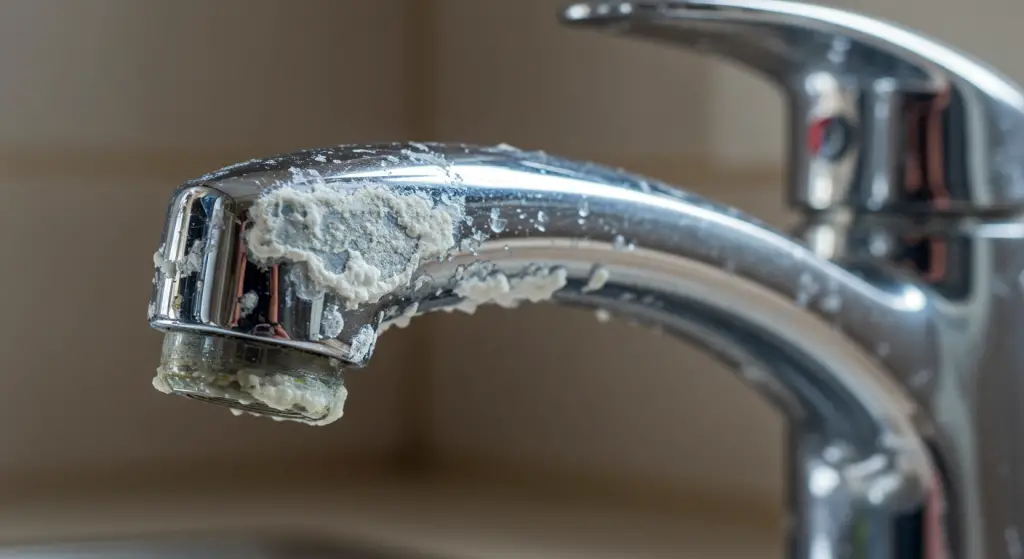
Limescale buildup is one of the most common and frustrating problems in the bathroom. Those white, chalky deposits that accumulate on faucets, showerheads, tiles, and drains not only look unsightly but can also affect the functionality of your fixtures. While commercial cleaners promise a quick solution, many contain harsh chemicals like hydrochloric acid, which can damage surfaces and pose environmental risks. Luckily, there’s a safe, natural, and effective alternative: the “knotted cloth” method, which uses simple ingredients found in your kitchen to remove limescale and restore your bathroom fixtures to their original shine.
Why Limescale Forms
Limescale is primarily caused by hard water, which contains high levels of calcium and magnesium salts. When hard water comes into contact with faucets or showerheads, the heat from the water causes calcium carbonate to precipitate and deposit on surfaces. Over time, these deposits form stubborn layers that are difficult to remove with regular cleaning.
Bathrooms are particularly prone to limescale accumulation due to constant exposure to water and humidity. Faucets, showerheads, and taps can quickly become dull, coated with a white film that diminishes the aesthetic appeal of the room.
The Problem with Chemical Cleaners
Many people reach for commercial limescale removers for convenience. While these products can be effective, they often contain strong acids and chemicals that can:
-
Corrode or discolor delicate finishes on faucets and showerheads
-
Harm the environment when washed down drains
-
Pose health risks to users if inhaled or accidentally touched
After years of relying on chemical cleaners, it’s easy to forget that traditional, natural remedies were once the go-to method for household cleaning. Today, more eco-conscious and cost-effective alternatives are gaining popularity.
Introducing the “Knotted Cloth” Method
The knotted cloth method is a simple, natural way to remove limescale using ingredients that are safe, inexpensive, and commonly found at home. All you need is a long cleaning cloth, white vinegar (or citric acid), and water.
Step 1: Identify the Surface
Before starting, check the type of surface you need to clean. Some materials, such as delicate chrome or brushed metal finishes, can be sensitive to acidic solutions. Testing on a small, inconspicuous area first is recommended.
Step 2: Prepare the Cleaning Solution
For a vinegar solution:
-
Mix 2 cups of white vinegar with ½ cup of water in a small container.
For a citric acid solution:
-
Dissolve 150 grams of citric acid in 1 liter of water.
Both solutions are highly effective at dissolving limescale and safe for most surfaces when used properly.
Step 3: Soak the Cloth
Take a long cloth, such as a mop cloth or dish towel, and soak it in the prepared solution. Wring it out slightly to avoid dripping, but make sure it remains saturated with the liquid.
Step 4: Apply the Knotted Cloth
Wrap the cloth around the faucet, showerhead, or any fixture covered in limescale, and tie it securely in a knot so it stays in place. Make sure the cloth fully covers the areas with visible limescale deposits.
Step 5: Let It Sit
Leave the cloth in place for approximately 15 minutes. During this time, the acidic solution works to break down the calcium deposits and loosen the stubborn limescale.
Step 6: Remove and Scrub
After the soaking period, remove the cloth and gently scrub the faucet or fixture with a sponge or soft brush. Most of the limescale should come off easily at this stage. For any remaining deposits, you can repeat the process or focus on specific spots with a small brush or toothbrush.
Step 7: Rinse and Dry
Once the limescale has been removed, rinse the fixture thoroughly with clean water and dry with a soft cloth. You’ll immediately notice the difference: your faucets and showerheads will shine, looking almost brand new.
Why This Method Works
-
White vinegar is acidic, which helps dissolve calcium and magnesium deposits naturally.
-
Citric acid is also highly effective against limescale and is often used to descale appliances like washing machines and dishwashers.
-
The knotted cloth technique ensures that the cleaning solution remains in contact with the limescale for the required time, maximizing effectiveness without harsh scrubbing.
Advantages of Using Natural Limescale Removers
-
Eco-Friendly: No harsh chemicals are released into the environment.
-
Safe: Gentle on surfaces and safe for humans and pets.
-
Cost-Effective: Uses inexpensive, readily available ingredients.
-
Efficient: Can remove even stubborn limescale deposits when applied correctly.
-
Simple: Requires minimal equipment and effort.
Extra Tips for Preventing Limescale
-
Wipe faucets and showerheads dry after each use to minimize water deposits.
-
Consider installing a water softener if you live in an area with extremely hard water.
-
Clean fixtures regularly with natural solutions to prevent buildup from becoming too severe.
Conclusion
Limescale doesn’t have to be a permanent problem in your bathroom. Using the knotted cloth method with either white vinegar or citric acid is a natural, cost-effective, and safe way to remove stubborn deposits from faucets, showerheads, and taps. By soaking the fixture in a solution-soaked cloth for a short period, scrubbing lightly, and rinsing, you can restore the shine and functionality of your bathroom fixtures without resorting to harsh chemicals.
This method not only saves money but also protects both your home and the environment. With a little consistency and natural cleaning techniques, maintaining a sparkling bathroom has never been easier.