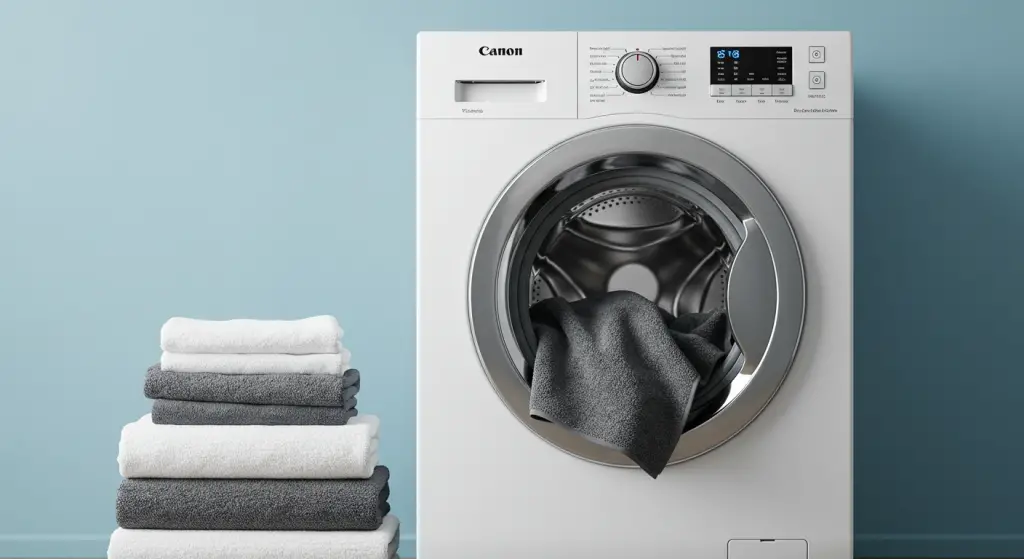
Washing machine, towels full of germs and bacteria: this mode kills them all
A clean-smelling home is impossible without properly maintained laundry, yet many of us have experienced the frustration of pulling freshly washed towels from the washing machine only to discover an unpleasant odor. This problem is not caused by the towels themselves but often by the washing machine, which, if not properly cleaned and maintained, can harbor bacteria and mold that transfer unpleasant smells onto fabrics. Fortunately, there are simple and effective ways to tackle these odors, ensuring that laundry comes out fresh, hygienic, and ready to use.
Understanding the Source of the Odor
A musty or damp smell on towels is usually a sign that bacteria and mold have built up in the fibers or within the washing machine. Bathrooms provide an ideal environment for bacteria to thrive due to the combination of heat and humidity, and towels left damp for too long are particularly susceptible. Even a towel washed recently can retain an unpleasant smell if the washing machine or the washing process does not fully eliminate bacteria and mold.
Many people react by immediately throwing the towels back into the washing machine for another cycle, hoping the odor will disappear. However, this is often insufficient. While a standard wash may remove visible dirt, it does not always remove the bacteria and microbes responsible for lingering odors. The solution involves both preventive measures and strategic cleaning techniques to maintain towels and washing machines in optimal condition.
Proper Washing Techniques for Towels
The first step in eliminating odors is washing towels at the correct temperature. Different fabrics require different care, but as a general rule:
-
Dark towels: wash at around 40°C (104°F)
-
White towels: wash at 60°C (140°F)
Higher temperatures help kill bacteria and prevent the growth of mold, which is often the source of musty odors. However, delicate fabrics such as linen or synthetic blends may be damaged at higher temperatures, so always check the care label on your towels.
It is also essential to wash towels separately from other fabrics. Mixing different materials in one load may reduce washing efficiency, leaving bacteria or residues in the towel fibers. Separate towel loads ensure that they receive thorough cleaning and disinfection.
Enhancing Laundry with Household Ingredients
Even with the correct washing temperature, towels can sometimes retain odors if the washing machine itself is not properly sanitized or if the water quality or detergent is insufficient. To boost cleaning and neutralize odors, you can use common household ingredients with natural disinfectant properties:
-
White vinegar: Adding one cup of white vinegar to the fabric softener compartment of your washing machine helps disinfect towels and remove odors. Vinegar’s acidic properties neutralize bacteria while softening the fabric.
-
Baking soda: Adding a few tablespoons of baking soda directly into the drum helps eliminate odors and enhance softness. Baking soda is effective at neutralizing acidic and musty smells and provides an extra cleaning boost.
Using these additives regularly—once every few washes—can significantly reduce towel odors and prevent bacteria from building up over time.
Maintaining the Washing Machine
An often-overlooked source of odor is the washing machine itself. Residual detergent, lint, and moisture can accumulate inside the drum, detergent drawer, and seals, creating the perfect environment for bacteria and mold. To prevent this:
-
Run an empty hot-water cycle with a cup of vinegar or a washing machine cleaner once a month.
-
Clean the detergent drawer and rubber seals regularly to remove trapped residue.
-
Leave the door and detergent drawer open after each wash to allow the machine to dry completely.
These simple steps prevent bacterial growth inside the machine, ensuring that towels—and all laundry—come out smelling fresh.
Proper Drying Techniques
Even the best washing methods will fail if towels are not dried correctly. Proper drying is crucial to prevent the return of musty odors. There are two main approaches:
-
Air drying: Hang towels outside on a line or inside in a well-ventilated area. Make sure each towel is fully spread out to allow complete air circulation, which accelerates drying and reduces bacteria growth.
-
Using a dryer: If air drying is not possible, use a tumble dryer. Adding one or two tennis balls or dryer balls helps to separate the fibers and absorb excess moisture. This method not only dries towels thoroughly but also keeps them soft and fluffy while eliminating bacteria that could cause odors.
By ensuring towels are fully dry before folding and storing, you prevent the damp, musty smells that develop in humid conditions.
Preventive Measures for Long-Term Freshness
To maintain towel freshness over time, it is essential to adopt preventive habits:
-
Wash towels regularly: Towels used daily should be washed at least once a week.
-
Avoid leaving damp towels in piles: Hanging them immediately after use allows air circulation and prevents odor development.
-
Rotate towel use: Having a sufficient number of towels ensures that each towel is used multiple times between washes, giving them time to dry completely.
-
Use the right amount of detergent: Too much detergent can leave residue in the fibers, while too little may not remove bacteria effectively.
Consistently following these practices ensures that towels remain hygienic, soft, and odor-free.
Conclusion
Bad odors in towels and laundry are rarely caused by the fabrics themselves. The real culprits are bacteria and mold, often originating from improper washing or inadequate machine maintenance. By washing towels at the correct temperature, using household disinfectants like vinegar and baking soda, maintaining the washing machine, and ensuring proper drying, you can eliminate unpleasant odors and keep towels soft and fresh.
With these practices, laundry becomes more than a chore—it becomes a simple, effective way to maintain hygiene and freshness in your home. Fresh, clean towels not only improve comfort but also contribute to a healthier living environment.